
Music Festival Sun Protection Clothing: The 2026 Guide to Staying Cool, Covered, and Stage-Ready
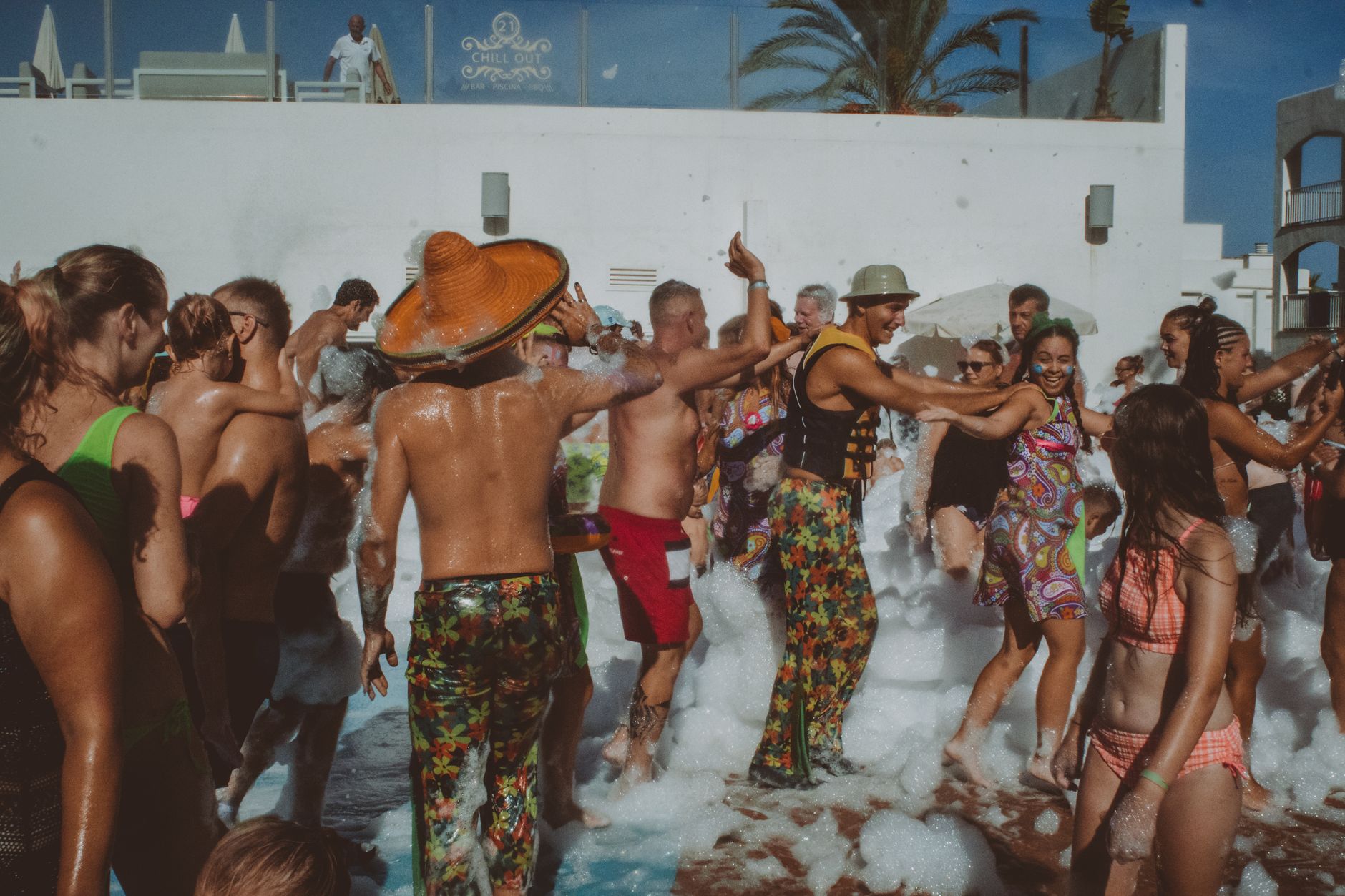
The 2026 festival season is shaping up to be one of the hottest on record—literally. With Lollapalooza Chicago, Austin City Limits, and Bonnaroo all reporting expanded daylight programming and earlier gate times, you’re looking at 10+ hours of direct sun exposure per day. Meanwhile, brands like Outdoor Research, Coolibar, and even festival staple Free People have launched dedicated UPF collections this spring, signaling a major shift: sun protection is finally becoming a fashion statement, not an afterthought.
If you’re still relying on a single layer of sunscreen and a trucker hat, you’re gambling with your skin and your stamina. Music festival sun protection clothing is the gear category that solves both problems—blocking harmful UV while keeping you cool enough to dance through the final set. Here’s how to build a stage-ready wardrobe that actually works.
Why SPF Alone Won’t Cut It at All-Day Festivals
Dermatologists have been saying it for years, but the festival context makes it painfully obvious. The average person applies sunscreen at a quarter of the recommended thickness, reappplies half as often as they should, and sweats through whatever’s left during a high-energy set.
Consider the math: a 12-hour festival day with SPF 30, properly applied, gives you roughly 300 minutes of protection. That covers you until roughly 2:00 PM if you applied at gates open. The headliner? They’re playing at 9:00 PM, and you’ve been a lobster since happy hour.
Music festival sun protection clothing fills this gap with consistent, sweat-proof coverage. UPF (Ultraviolet Protection Factor) fabrics work like permanent SPF—UPF 50 blocks 98% of UV rays, never sweats off, and doesn’t require reapplication every 90 minutes.
The 2026 festival season has seen a notable spike in heat-related medical tent visits at early-season events like Hangout Fest and BottleRock, with sunburn and heat exhaustion comprising 34% of non-alcohol-related complaints according to on-site medical reporting. Clothing-based protection isn’t vanity; it’s harm reduction.
Decoding UPF Ratings: What the Numbers Actually Mean
UPF ratings aren’t marketing fluff—they’re regulated by the FTC and ASTM standards. Here’s the breakdown you need before shopping:
| UPF Rating | UV Blocked | Festival Suitability |
|---|---|---|
| 15-24 | 93.3-95.8% | Baseline; adequate for cloudy days |
| 25-39 | 96.0-97.4% | Solid for partial shade venues |
| 40-50 | 97.5-98.0% | Ideal for all-day, open-field festivals |
| 50+ | 98.0%+ | Premium; worth the investment for multi-day events |
The key detail most shoppers miss: fabric construction matters more than color. A dark, tightly woven synthetic UPF 50 shirt outperforms a loose white cotton tee that might clock UPF 5 when stretched or wet. For festivals, look for polyester or nylon blends with elastane for stretch—cotton UPF clothing exists but loses protection when saturated with sweat.
Current standouts for 2026 include the Coolibar Festival Collection (lightweight hoodies in 30+ colorways), Patagonia’s Capilene Cool Daily Hoody (UPF 50+, now with improved odor control for multi-day wear), and budget-friendly UNIQLO AIRism Mesh UV Cut pieces that hit UPF 40 at under $30.
Building Your Festival Sun Protection Wardrobe: The Layer System
The best music festival sun protection clothing strategy mimics backpacking layering: a base for cooling, a mid for coverage, and adaptable accessories. Here’s a proven three-tier system tested across Bonnaroo 2025 and early 2026 events:
Base Layer: The Cooling Foundation
- UPF 50+ long-sleeve tee or tank: Sounds counterintuitive in August heat, but modern fabrics use phase-change materials or titanium dioxide particles that actually feel cooler than bare skin in direct sun. The Outdoor Research Echo Hoodie has become a festival cult favorite for this reason.
- Mesh paneling at underarms and back: Non-negotiable for ventilation during crowded sets.
Mid Layer: Adaptable Coverage
- Lightweight button-up or overshirt: Wear open for airflow, button up for peak sun hours (typically 11 AM–3 PM). The prAna Sol Defender Shirt includes a hidden neck gaiter in the collar—genius for desert festivals like Coachella.
- Convertible pants or bike shorts: UPF 50+ leggings and shorts now come with zip-off panels or roll-leg designs. Female festival-goers have particularly embraced Athleta’s Sunsetter Joggers, which transition from full coverage to cropped without a wardrobe change.
Accessories: The Highest-Impact Additions
- Wide-brim UPF hat (3+ inches): Baseball caps leave ears and neck exposed. The Sunday Afternoons Ultra Adventure Hat with its 360-degree brim and neck cape is ugly-in-the-best-way functional.
- UV-protective bandana or gaiter: Doubles as dust protection at Burning Man-adjacent events. Buff’s CoolNet UV+ comes in 200+ prints; festival-specific collaborations drop annually.
- UPF 50+ gloves: Not for everyone, but increasingly popular among photographers, phone-heavy social media users, and anyone holding a drink for hours. Outdoor Research’s ActiveIce Sun Gloves are fingerless for touchscreen use.
The Style Factor: Looking Good While Covered
The historical resistance to sun-protective clothing at festivals was aesthetic—no one wanted to look like they were gardening while watching Tame Impala. That’s changed rapidly.
Major 2026 developments include:
- Festival brand partnerships: Bonnaroo’s official merch line now includes a UPF 50+ “Roo Shield” capsule with artist-designed prints. Lollapalooza followed suit this June.
- Designer UPF entries: Rihanna’s Savage X Fenty launched a limited festival sun protection collection in April 2026, featuring mesh UPF 40 bodysuits and reflective overshirts. They sold out in 48 hours.
- Vintage-inspired cuts: Brands are finally making UPF pieces that don’t scream “technical gear.” Think 70s safari shirts, wide-leg UPF pants, and cropped hoodies that pair naturally with festival staples like combat boots and glitter.
The practical hack: build your outfit around one statement UPF piece as your “anchor,” then add conventional festival fashion that doesn’t compromise protection. A UPF 50+ long-sleeve mesh top under a sequin bralette, for instance, gives you coverage, cooling, and the Instagram moment you want.
Care and Longevity: Making Your Investment Last
UPF clothing isn’t disposable fast fashion—proper care maintains protection for years. Critical maintenance rules:
- Skip fabric softeners: They coat fibers and reduce UPF effectiveness by up to 30%. Use mild detergent only.
- Air dry when possible: Dryer heat degrades elastane and synthetic UV treatments over time. At multi-day festivals, rinse in camp showers and hang dry overnight.
- Check for stretch degradation: UPF relies on tight weave construction. If your garment has gone baggy or see-through, the protection has degraded. Replace stretched-out pieces before your next festival.
Most quality UPF 50+ garments maintain rated protection for 40+ washes—roughly two to three full festival seasons with regular use. Budget accordingly; a $80 UPF hoodie that lasts three years outperforms a $25 fast-fashion piece that fails mid-season.
Your Sun-Safe Festival Season Starts With What’s On Your Body
The 2026 festival landscape is hotter, longer, and more sun-exposed than ever. Music festival sun protection clothing has evolved from an outdoor-store afterthought into a genuine fashion category—one that happens to prevent the lobster-red sunburn photos you’ll regret by Monday morning.
Start with one anchor piece: a UPF 50+ hoodie or long-sleeve that you’ll actually wear. Add a wide-brim hat and a neck gaiter in your festival’s color palette. Build from there as your schedule and budget allow. The best sun protection is the one you don’t have to think about once the opener hits the stage—because you’re already covered, already cool, and ready for the headliner you’ve been waiting all day to see.
Like what you're reading?
Check out our recommended partner for this niche.
Novem Astra Global Media →